The first time I booked a full body laser hair removal session, I brought three questions to the consultation. How many visits will this actually take, how much will it really cost, and will I be able to tolerate it everywhere from upper lip to ankles. Years later, with hundreds of patient plans under my belt and a healthy respect for the technology, I can say the honest answers depend on your skin type, hair color, hormonal profile, and the laser hair removal provider who runs the machine. The upside is real and long lasting, but the best results come from realistic expectations and a smart plan.
What full body really covers
Full body laser hair removal sounds straightforward until you define the map. Most clinics include legs, arms, underarm laser hair removal, bikini or brazilian laser hair removal, stomach, back laser hair removal, chest laser hair removal, and often neck and shoulders. Facial laser hair removal, like upper lip laser hair removal and chin laser hair removal, may be billed separately or bundled in a package. Ask the laser hair removal clinic to list the exact zones and whether treatment includes the hands, feet, or buttocks. These small add ons can explain a surprising price difference between two laser hair removal packages that look similar at first glance.
Patients sometimes mix and match. For example, a male laser hair removal plan might target chest, stomach, shoulders, and back, while skipping arms and legs. A female laser hair removal plan may pair leg laser hair removal with bikini and underarms, then add facial touch ups for upper lip or chin after the body series is complete. If you are searching “laser hair removal near me,” check how each laser hair removal center defines a full body package and whether they allow substitutions. Flexibility is often the sign of a seasoned laser hair removal specialist.
How the technology works
All modern laser hair reduction treatment relies on selective photothermolysis. In simple terms, the laser targets melanin in the hair shaft, converts light to heat, and damages the follicle enough to interrupt growth. That makes hair color and shaft diameter crucial. Coarse, pigmented hair responds best. Fine, light blond, red, and gray hair respond poorly, no matter how advanced the laser hair removal machine appears in marketing copy.
Different devices are better suited to different skin tones. In a busy laser hair removal medical spa, the workhorse platforms include:
- Diode laser hair removal, typically around 810 nm, a versatile option for light to medium skin tones and coarse hair. Many “quick laser hair removal” devices in this category use large spot sizes and strong contact cooling. Alexandrite laser hair removal, at 755 nm, often the fastest on lighter skin with dark hair. This is excellent for leg or arm hair where speed matters. Nd:YAG laser hair removal, at 1064 nm, safer on darker skin types because it penetrates deeper and bypasses much of the epidermal melanin. This is often the backbone of laser hair removal for dark skin. IPL laser hair removal, which is technically not a laser but broad spectrum light with filters. It can reduce hair, but it is more operator dependent and less predictable than true medical grade laser hair removal systems for full body work.
A solid clinic will choose based on your skin and hair, not on the only machine they own. Ask which wavelengths they use and why. A confident laser hair removal provider will explain their selection without hedging. If you are a Fitzpatrick V or VI skin type, you should hear Nd:YAG in the answer. If you have very fair skin with dark coarse hair on legs and underarms, alexandrite or diode are usually favored.
Pros that actually matter
Clients often ask whether full body laser hair removal is permanent. The accurate term is permanent hair reduction laser therapy. After a complete series, most people see a 70 to 90 percent reduction in coarse hair, with remaining regrowth thinner and slower. Maintenance is necessary for some areas because hormones continue to signal follicles. That does not negate the benefit. Shaving time drops dramatically, ingrown hairs fade, and skin tone looks calmer, especially in the bikini zone and on the neck for men who struggle with razor bumps.
The “painless laser hair removal” promise is a stretch, but modern cooling and motion techniques keep discomfort brief. Areas with thicker hair or thinner skin pinch more, especially underarm and bikini. Most patients describe it as a quick rubber band snap with heat that fades in seconds. For large surfaces like legs or back, the rhythm becomes predictable and quite tolerable.
laser hair removal GATime savings are another pro. A single full body session can take 90 to 150 minutes depending on your size and hair density. That might sound long until you compare it with daily shaving or monthly waxing across the same zones. Over a year, the schedule swings heavily in favor of laser.
What a realistic treatment plan looks like
Hair grows in cycles. The laser hair removal procedure only affects follicles in the active phase at the moment of treatment. That is why a plan requires multiple visits, spaced to catch new follicles as they enter growth. For most patients:
- Body areas such as legs, arms, underarms, chest, back, stomach, and shoulders respond over 6 to 8 sessions, spaced 6 to 10 weeks apart. Facial areas like upper lip, chin, and neck tend to need 8 to 10 sessions, spaced 4 to 6 weeks apart, because the cycle is faster and hormonal influence is stronger.
Coarse hair tends to clear faster at first, then plateau. Fine hairs are stubborn, particularly on the face. Expect some patches to seem done as early as visit three, while others lag until visit seven or eight. If you have conditions like PCOS, or you are on medications that stimulate hair growth, plan for ongoing maintenance.

Full body laser hair removal demands logistics. Most clinics streamline your laser hair removal appointment by breaking the body into reproducible passes. Your provider should track energy settings, fluence, and pass counts for each area, increasing parameters gradually as hair lightens. The best laser hair removal centers photograph before and after for documentation, which also helps you keep perspective when improvement feels slow.
Safety, skin types, and the truth about risk
Safe laser hair removal comes down to skin typing, machine choice, test spots, and aftercare. Even “skin safe laser hair removal” can cause complications if the wrong settings hit freshly tanned skin, or if a provider moves too slowly on a high fluence without adequate cooling. For laser hair removal for sensitive skin, the operator often uses slightly lower starting settings, more overlap control, and closer follow up. If you are prone to hyperpigmentation, especially on the bikini or underarms, daily broad spectrum SPF and pigment suppressors like azelaic acid help.
Burns are uncommon with experienced hands, but they do happen. So can folliculitis, transient redness, hives, and paradoxical hypertrichosis in rare cases with IPL. The fix begins with prevention. Put fake tan and active retinoids on pause before your laser hair removal session. Shave the day before, not the day of, to reduce skin irritation. Clear communication matters too. Tell your laser hair removal specialist about antibiotics like doxycycline, supplements like St. John’s wort, and any isotretinoin history. Photosensitizing drugs change the risk profile.
When patients with deep skin tones ask whether medical laser hair removal is safe for them, the answer is yes with Nd:YAG and an experienced laser hair removal provider. The longer wavelength has a lower melanin absorption coefficient, so it spares the epidermis more effectively. It does require more energy to reach the follicle, which is another reason cooling and technique matter.
Pricing that holds up under scrutiny
Laser hair removal pricing varies because people vary. Hair density, hair color, surface area, the number of machines in a clinic, and local market rates all feed into the number you hear in a consultation. Package structure muddies comparison further. One laser hair removal center might quote a full body package as eight sessions paid upfront with a discount. Another may price per area with a smaller discount but more flexibility to drop zones as they clear.
For a realistic range in North America:
- A true full body laser hair removal package, eight sessions, can run from 2,500 to 6,500 USD in most metros. Premium centers with physician oversight and multiple platforms often sit between 3,800 and 5,500. If you itemize, leg laser hair removal might be 800 to 1,600 for a series, underarm laser hair removal 300 to 600, brazilian laser hair removal 600 to 1,200, back laser hair removal 900 to 1,800, chest laser hair removal 500 to 1,200. A la carte laser hair removal session pricing is usually 15 to 25 percent higher than the per session rate inside a package.
Geography pushes the needle. Rural areas and small towns sometimes offer affordable laser hair removal rates 20 to 30 percent below big city clinics, but confirm the technology is modern and medical grade. If you are comparing laser hair removal deals, check whether they include a complimentary laser hair removal consultation, post care products, and touch ups for missed patches. “Unlimited for a year” offers can be good value if they define intervals and cap the number of visits so you are not over treated. If a price looks too low, ask whether the system is IPL rather than a true laser hair removal system, and what the qualifications of the operator are.
Financing options are common. Many clinics offer monthly plans, which spread the laser hair removal cost over the six to nine months you are already visiting for treatment. If you prefer to pay per visit, ask whether you still qualify for laser hair removal specials or package level pricing once you hit a certain number of sessions.
How to prepare and recover well
Successful outcomes often pivot on small habits before and after each laser hair removal treatment. Most are simple to follow, but they matter enough that I give every new patient the same short checklist.
- Shave the treatment areas within 24 hours before your laser hair removal appointment, leaving a faint shadow. Do not wax, thread, or pluck for at least four weeks before and during the series. Avoid sun exposure and self tanner for two weeks pre treatment and two weeks after. Use SPF 30 or higher daily on exposed areas. Pause retinoids, glycolic or salicylic acids, benzoyl peroxide, and exfoliating scrubs on the treatment zones for three to five days before and after. Skip heavy workouts, saunas, and hot baths for 24 hours after to minimize inflammation. Cool compresses and fragrance free moisturizers are fine. Tell your provider about new medications or supplements, especially antibiotics, acne drugs, or anything that can increase photosensitivity.
Aftercare is usually light. Expect mild redness and swelling around follicles for several hours, known as perifollicular edema, a good sign the laser hit its mark. The hair you see in the first week is not new growth, it is the treated hair ejecting. A gentle exfoliation with a soft washcloth after day three helps that process. If you are prone to ingrowns, your provider may approve a low strength salicylic wash after the first few days.
What a session actually feels like
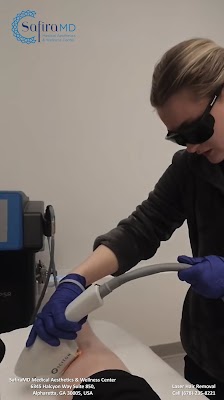
I tell patients to anticipate a clear sequence. The laser hair removal specialist examines the skin, confirms shave quality, cleans oils, and sometimes applies a thin layer of gel depending on the system. Protective eyewear goes on. The handpiece glides or stamps across the skin, with contact cooling or a chilled air stream countering each pulse. The sensation ranges from warm pressure to zaps in denser zones. On the face and bikini, most clinics offer a topical anesthetic applied in advance. For large surfaces like the legs, anesthetic rarely helps because the cooling is efficient and the pace is quick.
Session length depends on the number of areas. A streamlined full body laser hair removal visit in a high volume clinic might run 90 minutes for a smaller person, two hours or a bit more for larger builds or heavier density. Good providers move with intention, overlap zones with a pattern, and keep a running dialogue. You should not see them chasing each hair or dwelling in one spot. That is when hot spots and stripes happen.
Choosing the right clinic and provider
People often search “laser hair removal specialists near me” and browse glossy galleries. Photos help, but your in person consult reveals more. A trustworthy laser hair removal expert does not rush skin typing, asks about your hair removal history, and explains what their machines do without mystique. They should welcome test spots on trickier areas like the bikini line or neck where skin reacts more easily. Certifications and medical oversight vary by region, but your provider should be trained on that exact laser hair removal machine and able to cite settings rather than vague “levels.”
Red flags I pay attention to are simple, and they show up early.
- No medical history or medication review before the first laser hair removal session. A one size fits all package without mention of your skin type, hair color, or hormonal factors. Pressure to prepay 100 percent without a cancellation policy or written plan. Outdated equipment relying only on IPL for full body work. No mention of eye protection, cooling, or aftercare.
If you are deciding between two clinics with similar laser hair removal pricing, choose the one that welcomes questions and can outline a laser hair removal treatment plan that maps your schedule and goals. The most advanced laser hair removal technology only matters when the operator has judgment.
Special considerations by area and gender
Laser hair removal for men and women follows the same physics but different patterns. Men often target dense hair on the back, shoulders, chest, and neck. The follicles are robust, and regrowth can be influenced by testosterone. I typically schedule eight visits for backs and shoulders, prep men to expect steady thinning rather than full clearance early, and recommend periodic maintenance if they want a uniformly low density rather than a completely bare look.
For women, underarm laser hair removal and bikini laser hair removal deliver fast gratification. Coarse hair in these zones responds in two to three sessions, though the series still runs six to eight visits. Facial work is more nuanced. Upper lip laser hair removal is quick, but fine vellus hair on the face is a poor target. If your goal includes facial hair around the cheeks, brow area, or sideburns, talk candidly about the possibility of limited response or paradoxical stimulation with IPL. A true laser at conservative settings helps manage risk, but candid expectations matter most.
Managing sensitive skin and darker tones
Laser hair removal for sensitive skin hinges on prep and a cautious first pass. If you are reactive, ask your provider to start with a lower fluence and increase as tolerated. Pre treat with a bland moisturizer for a few days and avoid fragrances on the day of treatment. Patch tests on the bikini line, underarms, or jawline reveal tendencies within 24 to 48 hours.
For laser hair removal for dark skin, Nd:YAG is usually the safest choice. I evaluate for post inflammatory hyperpigmentation risk, recommend diligent SPF, and space sessions slightly wider if the skin needs recovery. The results can be excellent, especially on underarms and bikini, where ingrowns and hyperpigmentation create a vicious cycle that laser interrupts.
Maintenance, regrowth, and when to stop
Laser hair removal results are long lasting, but not frozen in time. After the primary series, most people enjoy months to years with minimal upkeep. Maintenance varies by area and biology. Underarms and bikini may need one or two sessions a year. Legs and arms often stay clear for longer. Facial areas, influenced by hormones, benefit from periodic touch ups. The moment to stop is when additional sessions fail to produce meaningful change, often because only a smattering of fine, light hairs remain. At that point, continuing to pay for full body sessions does not add value. Focus on spot treatments if the few stragglers bother you.
Myths, realities, and the marketing gap
A few persistent myths deserve a straight answer. First, permanent laser hair removal does not mean zero hair forever for everyone. It means a durable reduction that simplifies life. Second, higher pain does not equal better results. Good parameters and cooling produce a quick sting without blistering or prolonged heat. Third, the best laser hair removal is not only about the machine. A mediocre operator can create burns with a top tier system. An excellent operator can deliver safe, efficient sessions on a mid range platform within its safe envelope.
Finally, price is not an exact proxy for quality. Affordable laser hair removal can be excellent when a clinic runs efficiently, trains well, and prices fairly. On the flip side, a luxury waiting room does not guarantee safer care. Judge the plan, the questions they ask you, and the transparency around the laser hair removal procedure cost.
When to avoid or delay treatment
Not every moment is right for a laser hair reduction plan. Pregnancy is a common pause. While there is no definitive evidence of harm, elective laser hair removal therapy is generally deferred. Active infections on the skin, open wounds, and fresh tattoos in the treatment area are also reasons to wait. If you have a history of keloids, vitiligo, or active eczema flares, discuss with a dermatologist or seek a laser hair removal consultation in a clinic with medical oversight for a personalized approach.
Isotretinoin use in the past year warrants caution. Older guidance recommended a long delay after therapy to reduce scarring risk, but newer data suggests the waiting period can be shorter in some cases. This is a nuanced call. A responsible laser hair removal center will coordinate with your prescribing provider.
A note on value and timing
The best time to start a full body series is fall or winter. Less sun exposure reduces risk and keeps schedules regular. Many clinics run laser hair removal offers in late summer and early autumn to encourage this timing. If you want smooth legs by June, counting back eight sessions with 6 to 8 week spacing puts your start date in October or November. Plan ahead, and you will hit maintenance just as the weather warms.
There is also a psychological side to the calendar. Patients who begin when covered up by layers are less tempted to break the no tanning rule. That translates into safer, more effective, and faster sessions. Quick laser hair removal only stays quick when the skin is calm and the energy can be dialed up gradually without detours.
What to ask during your consultation
A strong consultation sets the tone for your plan. You do not need a script, but a few focused questions reveal a lot about a clinic.
- Which wavelengths and platforms do you use, and why for my skin and hair? How many sessions do you estimate for each area, and what is your policy on missed patches? What happens if I get a tan mid series, can we pause safely without losing progress? Who performs the treatments, and how are they trained on this laser hair removal system? Can I see sample before and after images for patients with similar skin tone and hair type?
You should leave with written aftercare, a clear schedule for your first three visits, and a price that matches what you heard. If anything feels glossed over, keep looking. There are many professional laser hair removal providers who take pride in clear plans and consistent results.
The bottom line
Full body laser hair removal is not magic, it is a well understood medical aesthetic treatment that rewards good planning and steady follow through. The technology has matured, the safety profile is strong in trained hands, and the lifestyle payoff is significant. Whether you choose diode laser hair removal for speedy legs, Nd:YAG for safe treatment on darker skin, or a mixed platform approach, the essentials remain the same. Understand the hair cycle, respect prep and aftercare, choose a clinic that answers questions plainly, and give the plan time to work.

If you are weighing laser hair removal deals against clinic reputation, lean toward expertise. A fair price paired with a skilled operator beats a rock bottom offer nearly every time. And if you are someone who has tried everything for ingrowns, or you are simply tired of planning life around stubble and waxing appointments, a thoughtful laser hair removal treatment plan can quietly change your routine. The results photograph well, but they feel even better in the small moments, like dry shaving becoming a distant memory or a black tee no longer picking up neck stubble by the end of the day.